
Assess your system's ability to maintain synchronism and acceptable voltage/frequency levels under normal and disturbed conditions — ensuring continuous, reliable power supply even during faults and transitions.
Voltage and frequency stability are critical to the reliable operation of any power system. Our transient and dynamic stability studies simulate real disturbance scenarios — from three-phase faults to sudden load changes and generation loss — to verify that your system can withstand them without cascading failures or blackout.
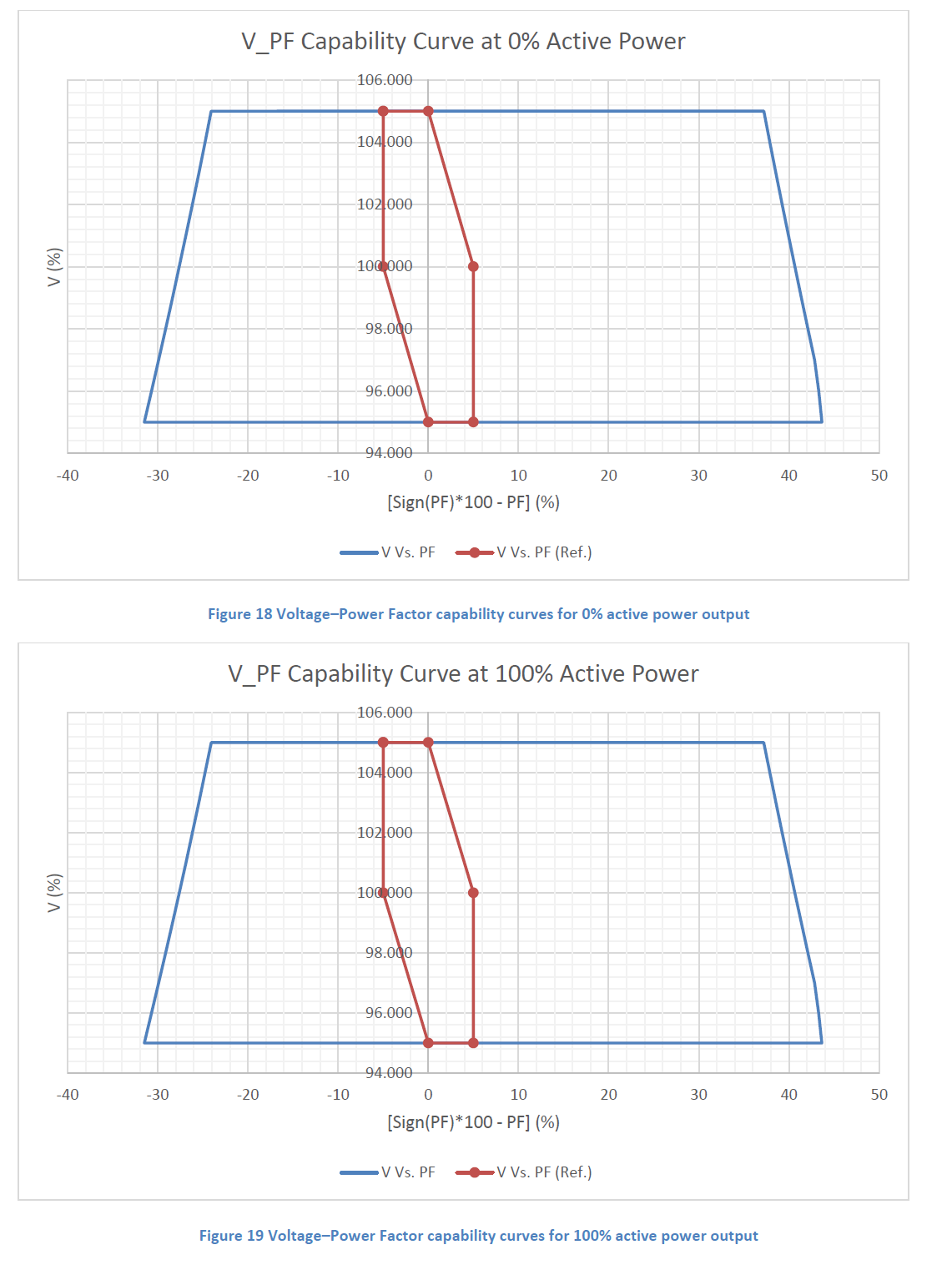
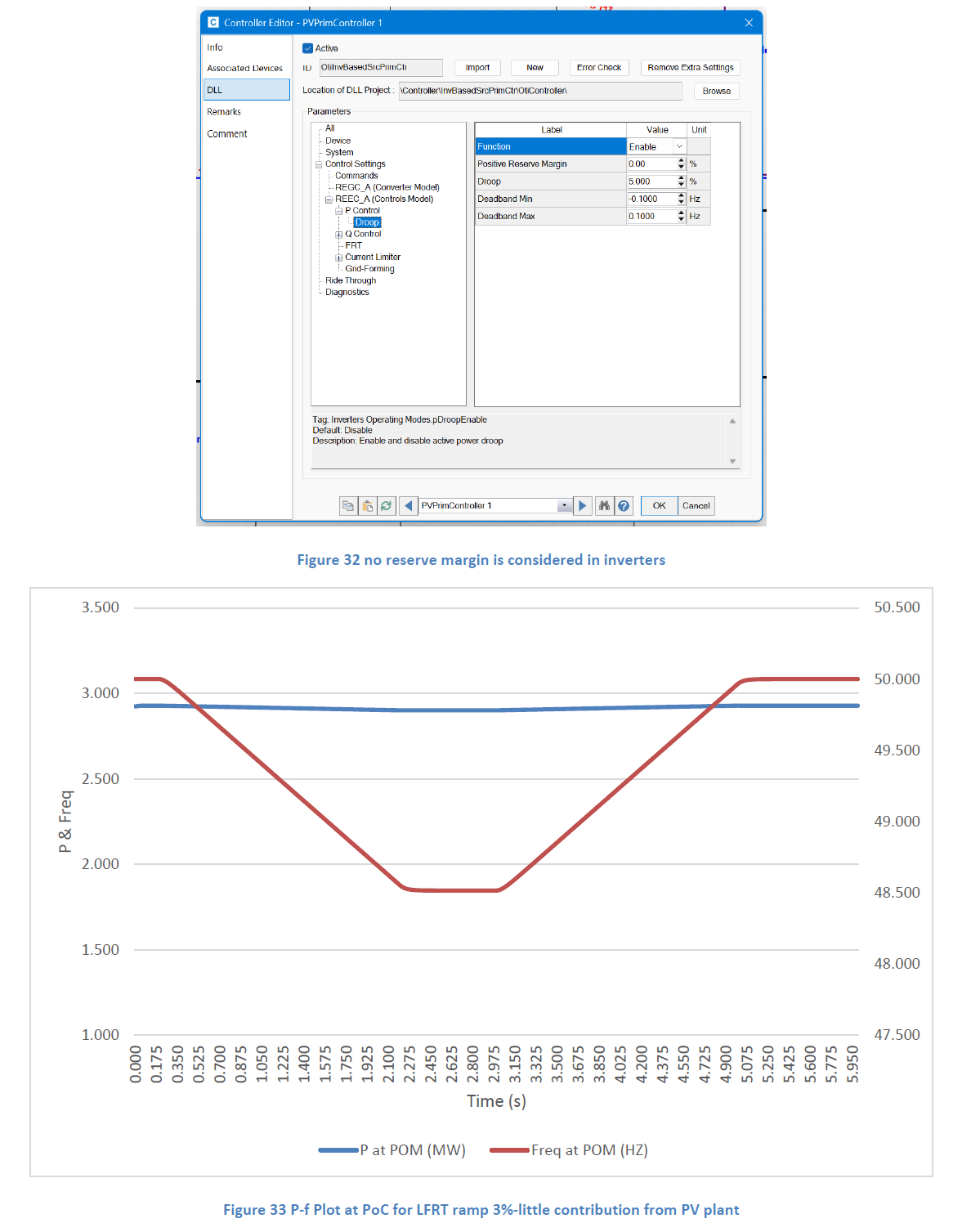
Power system stability is the ability of the system to regain a state of operating equilibrium after being subjected to a physical disturbance. We evaluate two primary forms:
The ability to maintain synchronism when subjected to a severe but short-circuit fault (e.g., three-phase to earth). We simulate fault clearance within 100–150 ms and evaluate whether generators remain in step.
The ability to maintain acceptable voltage and frequency under continuous small perturbations — load variations, automatic control actions, and governor/AVR responses over seconds to minutes.
Unstable systems face catastrophic consequences — from equipment damage to complete blackout. Our studies address:
Our stability studies use industry-standard time-domain simulation tools to model your complete power system including generators, turbines, exciters, loads, and control systems:
Build detailed mathematical models of all rotating machines, prime movers, exciters, and control systems. Validate against site data and manufacturer curves.
Simulate worst-case fault scenarios (three-phase, line-to-ground, line-to-line) at multiple locations with varying fault clearance times.
Run time-domain simulations (0–5 seconds post-fault) to evaluate rotor angle stability, frequency deviation, and voltage recovery.
Recommend remedial actions: SVC/SVG installation, excitation system upgrades, relay setting adjustments, or operational procedures.
Our comprehensive stability assessments include:
We've conducted stability studies for gas platforms, offshore installations, industrial complexes, and commercial campuses — both grid-connected and islanded. Our team understands the real-world implications of our findings and delivers actionable recommendations, not just simulation output.
Our team of power systems engineers is ready to provide expert guidance, detailed studies, and robust solutions tailored to your specific requirements.