
Comprehensive fault current analysis to verify equipment ratings, coordinate protective devices, and ensure the safety and reliability of your electrical installation.
Short circuit analysis is essential for safety, reliability, and equipment protection. High fault currents can release devastating energy through insulation failures — we help you quantify these risks, size your equipment appropriately, and coordinate protection systems to respond correctly.
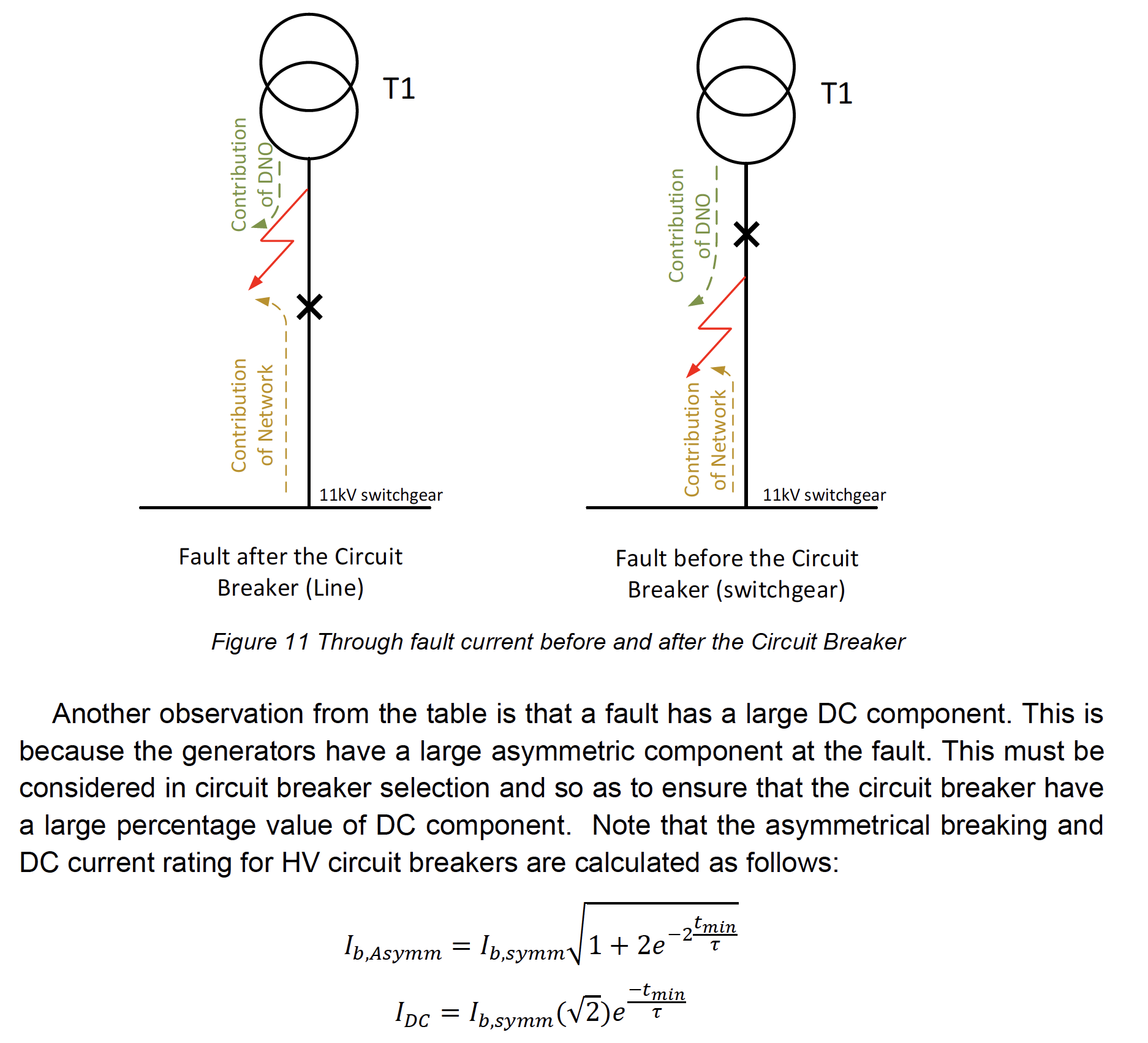
A short circuit study calculates the magnitude of fault currents that could flow at every point in your electrical system during different types of faults — three-phase, line-to-ground, line-to-line, and line-to-line-to-ground. These currents can reach enormous levels, releasing destructive energy through insulation failures in fractions of a second.
The study determines whether your existing equipment — circuit breakers, fuses, transformers, cables, busbars, and switchgear — has adequate interrupting and withstand ratings to safely handle these fault currents. It also provides the data needed to coordinate protective devices so that only the nearest device to a fault operates, isolating the minimum possible section of the system.
Fault currents carry immense energy that, if not properly managed, can cause:
Arc flash explosions, equipment rupture, fire — all direct threats to personnel working in or near electrical installations.
Thermal and mechanical stress from fault currents can destroy transformers, melt busbars, and destroy switchgear beyond repair.
Incorrect protection coordination causes unnecessary trips, spreading outages across sections that should remain operational.
Electrical installations must comply with short circuit rating requirements — failure can result in prosecution and invalidated insurance.
We recommend conducting short circuit studies:
Utility fault contribution at the point of common coupling, transformer impedances, cable lengths and sizes, generator subtransient reactances, motor contributions, and protective device settings.
Symmetrical and asymmetrical fault currents at all critical buses for all fault types, including contribution from rotating machinery and utility source.
Compare calculated fault currents against the interrupting and withstand ratings of all protective devices, switchgear, and conductors.
Develop time-current curves (TCC) for all protective devices to verify selective coordination and minimised fault clearance zones.
Our team has undertaken short circuit and protection studies for many large and complex installations across the UK. We understand the real-world implications of fault current calculations — not just the numbers, but what they mean for your equipment, your people, and your operational continuity.
Every study includes clear, prioritised findings with specific recommendations — whether that means upgrading circuit breakers, adjusting protection settings, or implementing fault current limiting solutions.
Our team of power systems engineers is ready to provide expert guidance, detailed studies, and robust solutions tailored to your specific requirements.