
Design effective earthing (grounding) systems that protect personnel, equipment, and ensure reliable operation of protection schemes — including grid design, touch/step voltage analysis, and earthing resistance verification.
A properly designed earthing system is one of the most critical safety features in any electrical installation. It provides a low-impedance path for fault currents, ensures protective devices operate correctly, limits touch and step voltages to safe levels, and provides a reference potential for sensitive electronic equipment. Our earthing design service ensures your system meets all safety requirements under worst-case fault conditions.
Earthing design encompasses the complete earth electrode system and associated conductors that provide a safe path for fault currents:
Underground conductor network (typically copper-bonded steel) forming the main earth reference plane for the substation or facility.
Connection conductors from equipment frames, switchgear, and structures to the earth grid.
Drive-down electrodes, buried conductors, or chemical electrodes used to achieve the required earth resistance.
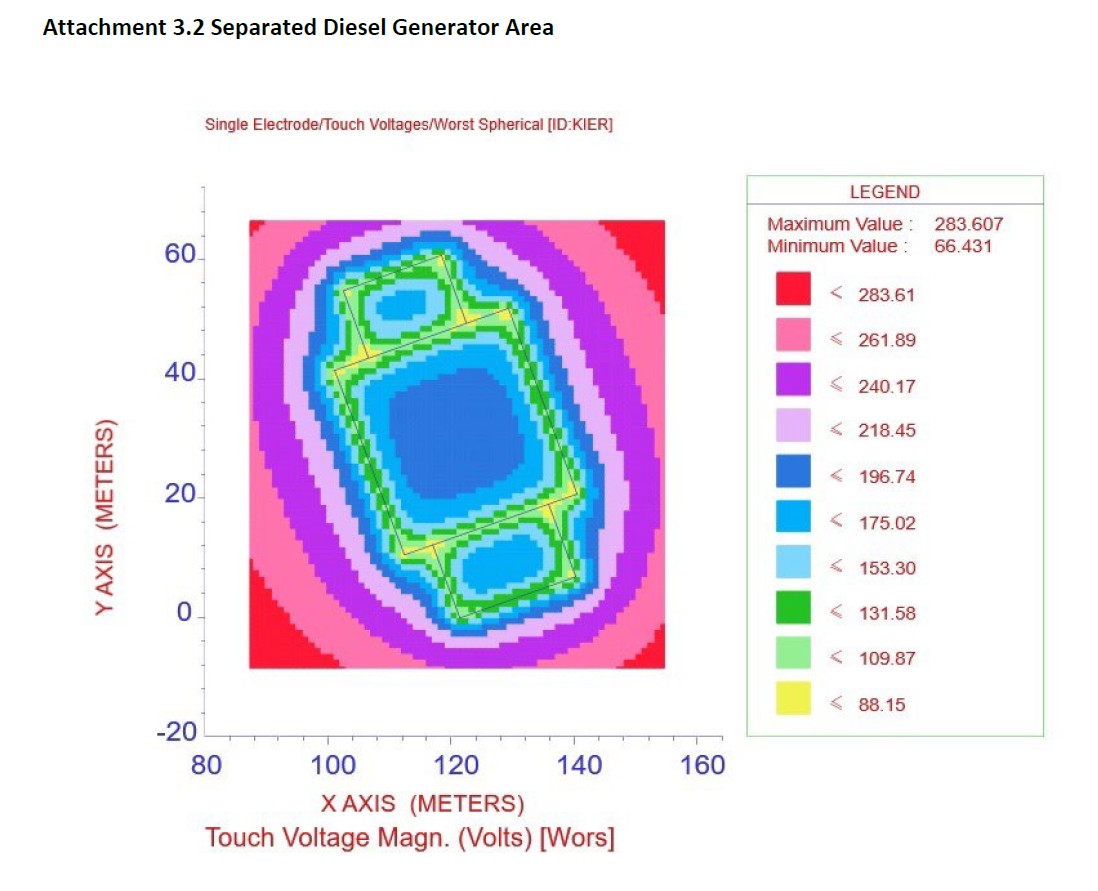
Touch voltage and step voltage calculations to ensure human safety under fault conditions.
Poor earthing design is a significant safety hazard and can cause operational problems:
We use industry-standard earth grid analysis software (such as CDEGS / ETAP) to design and verify earthing systems:
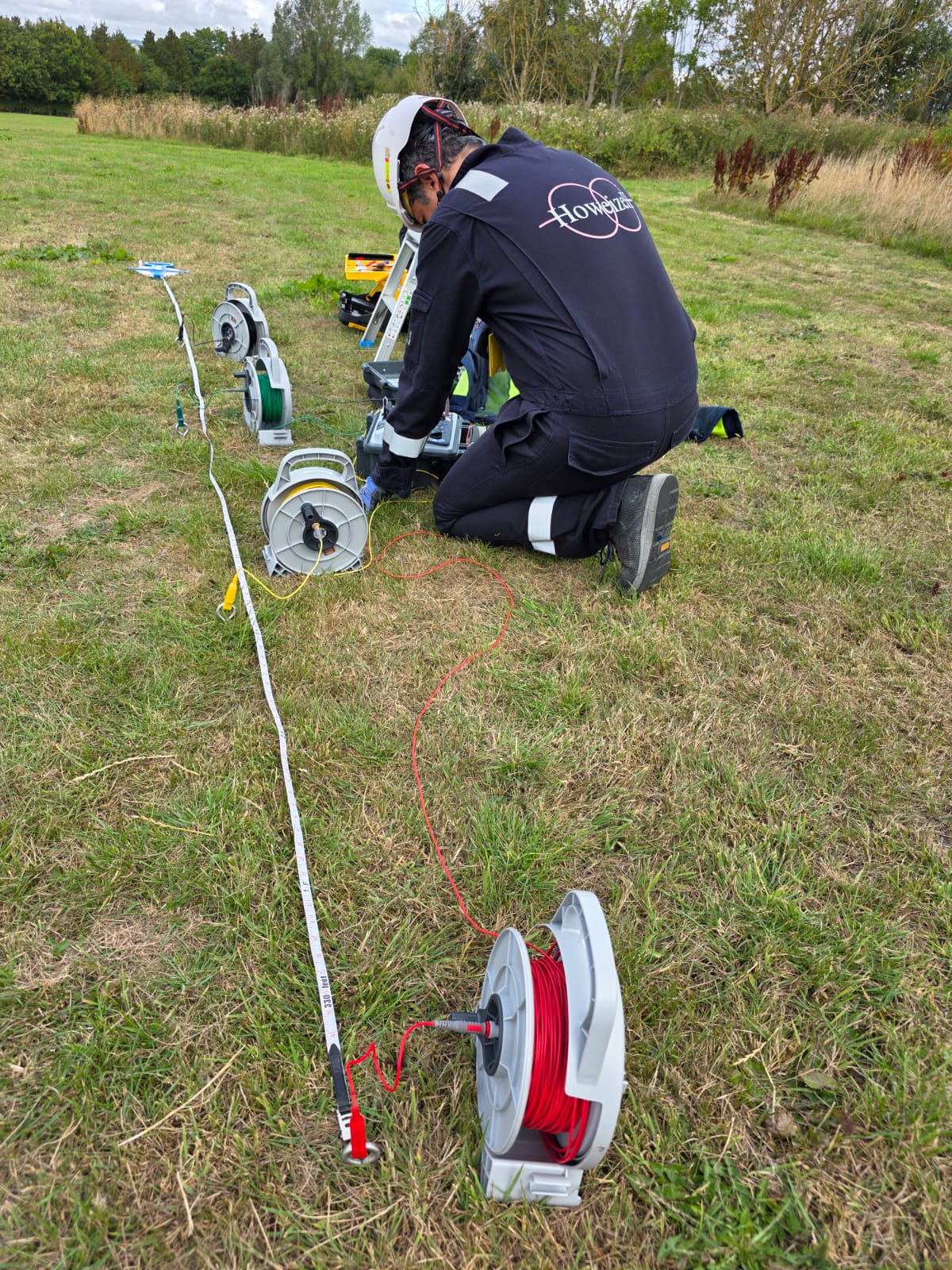
Conduct or interpret Wenner four-pin measurements to determine soil resistivity profile at the site.
Design conductor grid pattern, spacing, and depth based on fault current, duration, and allowable touch/step voltages.
Calculate touch and step voltages across the grid using step-by-step method or software simulation (FLUX/SES).
Optimise grid design to meet safety requirements at minimum cost — adjusting conductor size, grid density, and electrode count.
Our comprehensive earthing design includes:
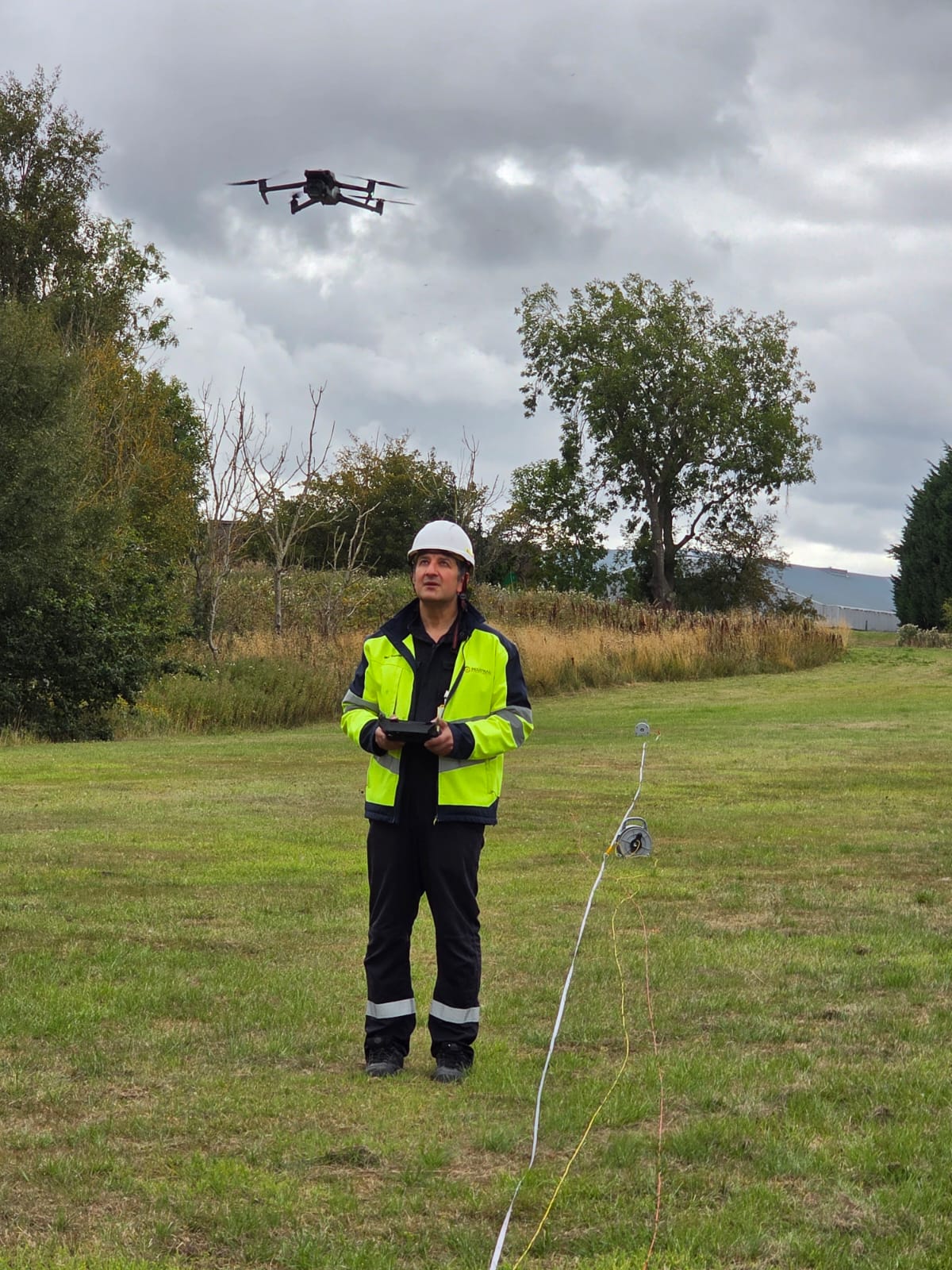
We've designed earthing systems for substations from 11 kV to 400 kV, offshore platforms with corrosive marine environments, and data centres requiring extremely low-noise earth references. Our team holds certifications in earth measurement and can provide both design and post-installation verification services.
Our team of power systems engineers is ready to provide expert guidance, detailed studies, and robust solutions tailored to your specific requirements.